

Testimonial
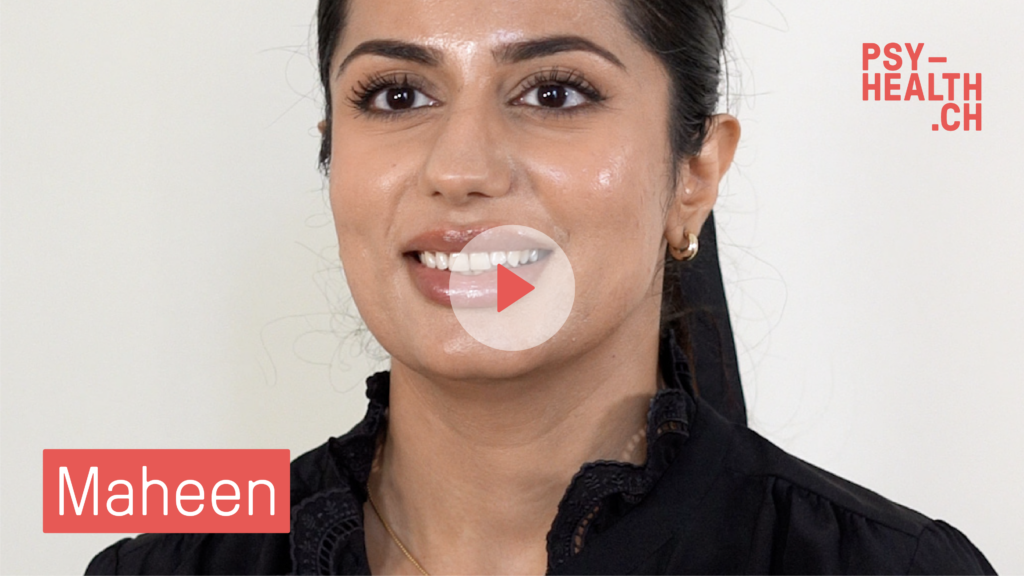
Addiction and drug use
When people feel sad, stressed or tired, they may try to escape their problems by engaging in ‘risky’ behaviours such as smoking, drinking alcohol, taking medication, spending too much time in front of a screen or gambling. While it may seem like a relief at the time, these habits can be harmful to your physical and mental health. If you’re worried about your substance use or that of someone close to you, you should seek help.
Heavy use of substances (alcohol, medication) can have negative health consequences: damage to vital organs, cancer, cardiovascular disease, weakening of the immune system, depression and anxiety, cognitive problems, social isolation, etc.
Addiction Switzerland has compiled a list of websites and helplines that provide support for people who abuse alcohol, have problems with tobacco or nicotine products, or gamble.
Worried about your children? Have a look at this brochure.
Wondering how to protect them? Have a look at this flyer.
Do you have a close relationship with an addict? Read this brochure.
Domestic violence
Number 142 – Victim Support (24/7)
For anyone who has experienced physical, psychological, or sexual violence in Switzerland. Family members and friends can also receive assistance and advice. 142 is available at any time.
Emergency numbers:
- 117: Police
- 144: Ambulance/Emergencies
Other resources:
- To anonymously ask an expert your question (response within 3 working days) in French, English, Spanish, and Portuguese : Violence que faire.
- For a list of LAVI victim support centres by canton: Aide aux victimes
- List of shelters for women and children who are victims of domestic violence
If you find yourself in a situation of violence, you have the right to protect yourself (and any children who are present) by leaving home, calling the police (117) or the doctor on duty (list by canton here). The LAVI centres can also help you.
List of healthcare professionals
There are many different professionals in your area who can provide invaluable help. If you are experiencing mental health problems or distress, they are there to welcome you, listen to you and refer you to a specialist:
- at work: company doctor, human resources professional or trade union representative;
- in healthcare centres: nurse, midwife, doctor;
- at school: school nurse, teacher or mediator;
- in neighbourhood community centres: youth worker or social worker.
All of these people can help you find the right support. Don’t hesitate to ask them for advice – it’s part of their job to give you information about what’s available.
In most cases, this help is free or covered by your health insurance, so don’t let the cost stop you from getting the help you need.
If you’re unsure and don’t know where to turn, your GP/family doctor can point you in the right direction.
You can also use this website to find a psychologist in your area. All you have to do is fill in a short questionnaire about your needs and your preferred language. As far as the cost of consultations is concerned, each psychologist will indicate the conditions for reimbursement on their profile, but it is important to check the specific conditions that apply to each individual.
Emergency numbers
In the event of a serious crisis, where the person is at risk of harming themselves or others, the situation is urgent. You must call 144 or the psychiatric emergency service in your canton. If you are in any doubt or feel that you are losing control, don’t hesitate to call one of the emergency services.
- Fribourg: 0263080808
- Genève: 0223723862
- Jura: 144
- Neuchâtel: 0327551515
- Vaud: 0848133133
- Valais: 0800012210
- Ticino: 144
If the situation is too dangerous, you can also call the police on 117.
Suicidal thoughts
If you are having suicidal thoughts, it is important to talk about it and get help.
Emergency numbers:
- 143: for adults, free, anonymous and confidential. English helpline: 0800 143 000
- 147: Pro Juventute (for young people)
- 144: Medical emergencies